3 Prosthetic Training Hacks That Changed My Sessions
Quick, practical adjustments that make a real difference for below-knee amputees in the weight room.
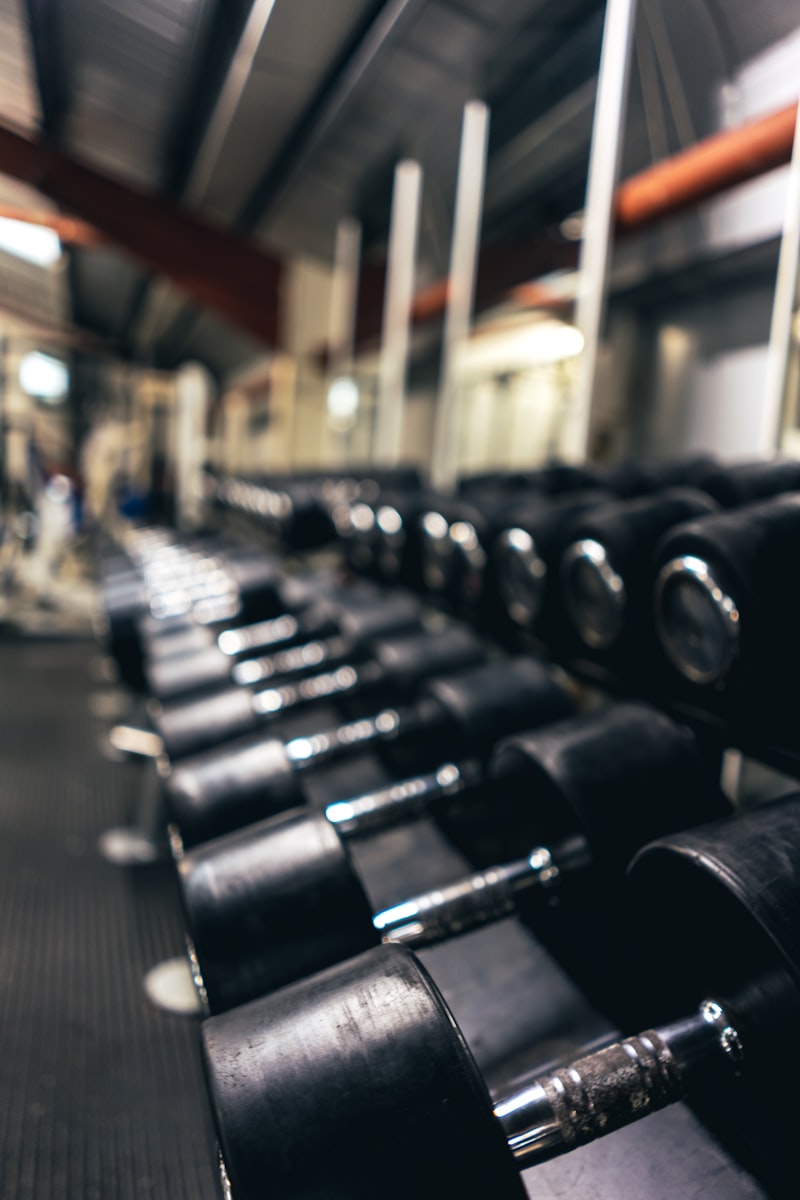
These aren't theory. These are things I use every single training day.
1. The Heel Wedge Trick
If your prosthetic foot doesn't dorsiflex like a biological one, squatting deep becomes a balance problem, not a strength problem. A small heel wedge (10-15mm) under the prosthetic side levels the playing field. It's cheap, it's instant, and it lets you focus on the movement instead of fighting your hardware.
2. Stagger Your Stance
Symmetry is overrated. For lunges and split squats, I deliberately stagger the stance width to account for the different proprioceptive feedback between sides. The prosthetic side goes slightly wider, which gives the socket more surface area for force distribution.
3. Grip Cues Over Foot Cues
Traditional coaching says "push through the floor." If your floor connection is mediated by a prosthetic, that cue falls apart. Instead, I use grip-based cues: "squeeze the bar like you're trying to leave fingerprints." This activates the kinetic chain from the top down and creates the stability you can actually feel.
Try one of these in your next session and notice the difference. For a full system built around how amputee bodies actually load and move, take a look at the Amputee Strength & Performance Program.

About the Author
Sam Maddaus
U.S. Navy veteran, below-knee amputee, Certified Strength Coach, and Wilderness First Responder. Sam has thru-hiked the 2,650-mile Pacific Crest Trail, solo bikepacked 16,000 miles from Alaska to Argentina, and provided prosthetic care in Guatemala. He coaches from lived experience—building programs rooted in structural integrity, intentional movement, and mission-ready preparation.