The National Bird of Guatemala: A Dream Made Real
Standing in the Guatemalan highlands, I realized I was living in a cage of my own making—one built of medical limitations and the quiet grief of what I thought I had lost.
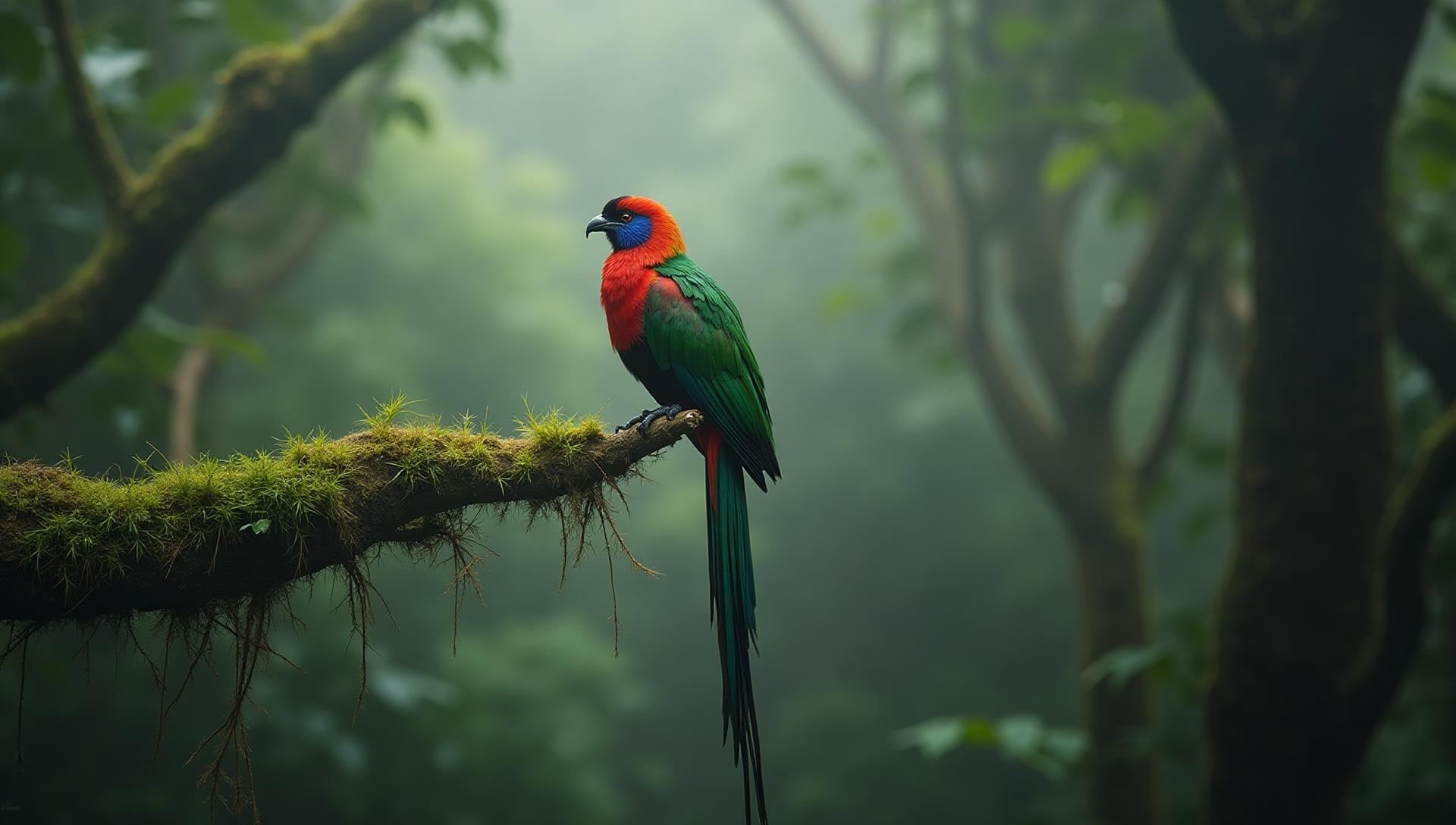
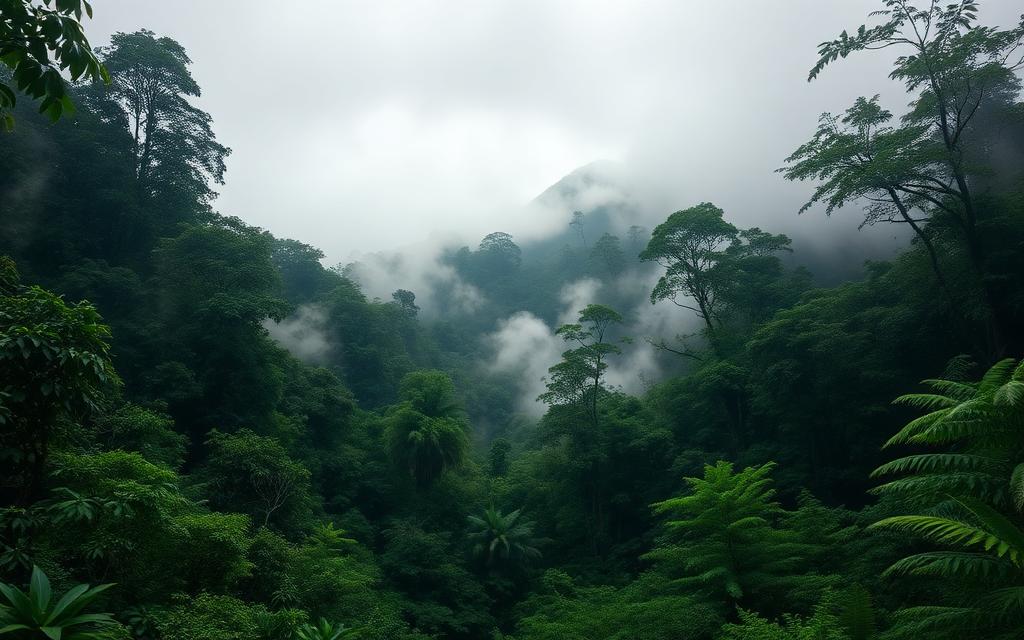
The national bird of Guatemala is the quetzal—a small, iridescent bird that lives in the cloud forests of the highlands. You rarely see one. First, you have to be willing to enter the labyrinth: thick, tangled green where volcanoes meet the sky and mist clings to every surface.
Legend says the quetzal cannot live in a cage; it would rather die than lose its freedom. Standing in those highlands for the first time in 2020, I realized I was living in a cage of my own making—one built of medical limitations and the quiet grief of what I thought I had lost.
I was in San Cristóbal Verapaz working with One World Unity Project. The project was just beginning—a clinic specializing in desperately needed infant care and prosthetics. But truthfully, more than anything, I was working on not being miserable.
At the time, I had just separated from the Navy. I had lost my leg in a motorcycle accident, and I was in the thick of the invisible grind that follows limb loss. Walking a single mile was a strategic gamble against unbearable back pain and the relentless, electric hum of phantom limb pain that made rest feel like a chore. A simple skin shear could sideline me for days, forcing me to set the leg aside and retreat into a kind of physical and emotional limbo—trapped in the space between the person I used to be and the practitioner I was trying to become.
Back home, I had grown accustomed to a certain "softness" in how people looked at me—faces full of heavy empathy, as if they were mourning a version of me that no longer existed.
But here, it was different. People looked with curiosity, not mourning. Noticing, not assuming.
Maybe it was the Forrest Gump beard, or the fact that I was the only foreigner for miles. But I think it was the leg. In a place where a disability often meant being sidelined, my prosthetic didn't look like a tragedy—it looked like a tool. Back home, I had felt like a patient. Here, I felt like a practitioner.
That shift changed everything for me. It wasn't about being "fixed" or "rehabilitated" anymore; it was about building the physical agency to be a part of the world again. I stopped managing my limitations and started training for them.
The true weight of this realization didn't hit me until years later. In 2024, I returned to those same highlands. This time, I didn't arrive by plane or bus. I arrived by bicycle, having ridden thousands of miles from the Arctic Circle.
Before visiting the clinic—now standing and real—I met a young boy who had just received his first prosthetic from the project. His parents watched him with a mix of relief and profound uncertainty. They didn't just need to see that he had a new leg; they needed to see if that leg could actually carry him through the life they imagined for him.
I didn't just tell them it would be okay; I stood up and moved. I walked across the uneven dirt floor of their home, letting them see the fluid connection between my intent and my stride. I showed them that the carbon fiber and titanium weren't just medical interventions—they were an invitation.
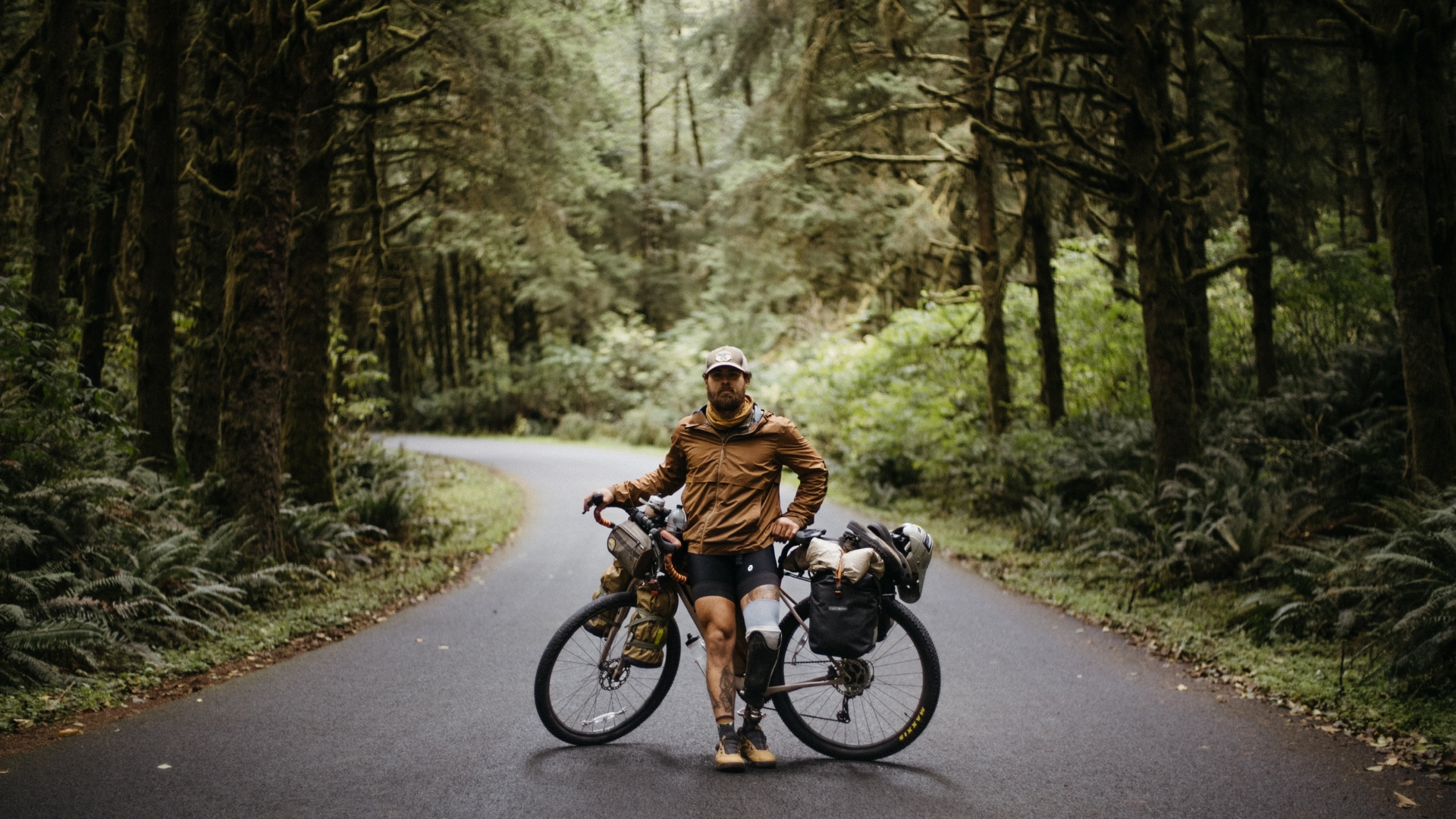
On the road in Guatemala — 16,000 miles by bicycle from the Arctic Circle
I watched the father's eyes move from my face down to the mechanics of my leg. In that room, the "patient" was gone. I wasn't showing them a piece of hardware; I was showing them that the road doesn't have to end where the injury begins.
The back pain, the nerve pain, and the "limbo" of 2020 were gone, replaced by a deep understanding of structural integrity—both in my body and my spirit.
> The quetzal belongs to the clouds because it refuses to negotiate with the cage. It does not wait for the forest to become easier; it develops the wings to master the labyrinth. We are no different. We belong to our ambitions, not our injuries. Whether you are navigating limb loss or training for a mission that feels impossible, the goal is the same: to stop surviving the environment and start mastering it. To break the cage of "getting by" and finally get after it.
The dream is real. Now, we build the strength to live it. If you're training for a mission of your own, that's exactly what the Misogi Program is built for.
My time in Guatemala taught me that rehabilitation isn't a linear path—it's a re-education. Seeing how the body adapts to different terrains and limited resources shifted my focus from "fixing" what was broken to mastering what was possible. In strength training, we often overcomplicate the tools, but the real work is always in the connection. Whether you're learning to walk on a new limb or looking to refine a complex lift, progress starts with a willingness to be a student of your own movement.
About the Author
Sam Maddaus
U.S. Navy veteran, below-knee amputee, Certified Strength Coach, and Wilderness First Responder. Sam has thru-hiked the 2,650-mile Pacific Crest Trail, solo bikepacked 16,000 miles from Alaska to Argentina, and provided prosthetic care in Guatemala. He coaches from lived experience—building programs rooted in structural integrity, intentional movement, and mission-ready preparation.