The Art of the Softening: Yielding for Power
I thought strength was synonymous with tension. I believed that if I just gritted my teeth and braced hard enough, I could force my body back into a high-performance gait. I was wrong.
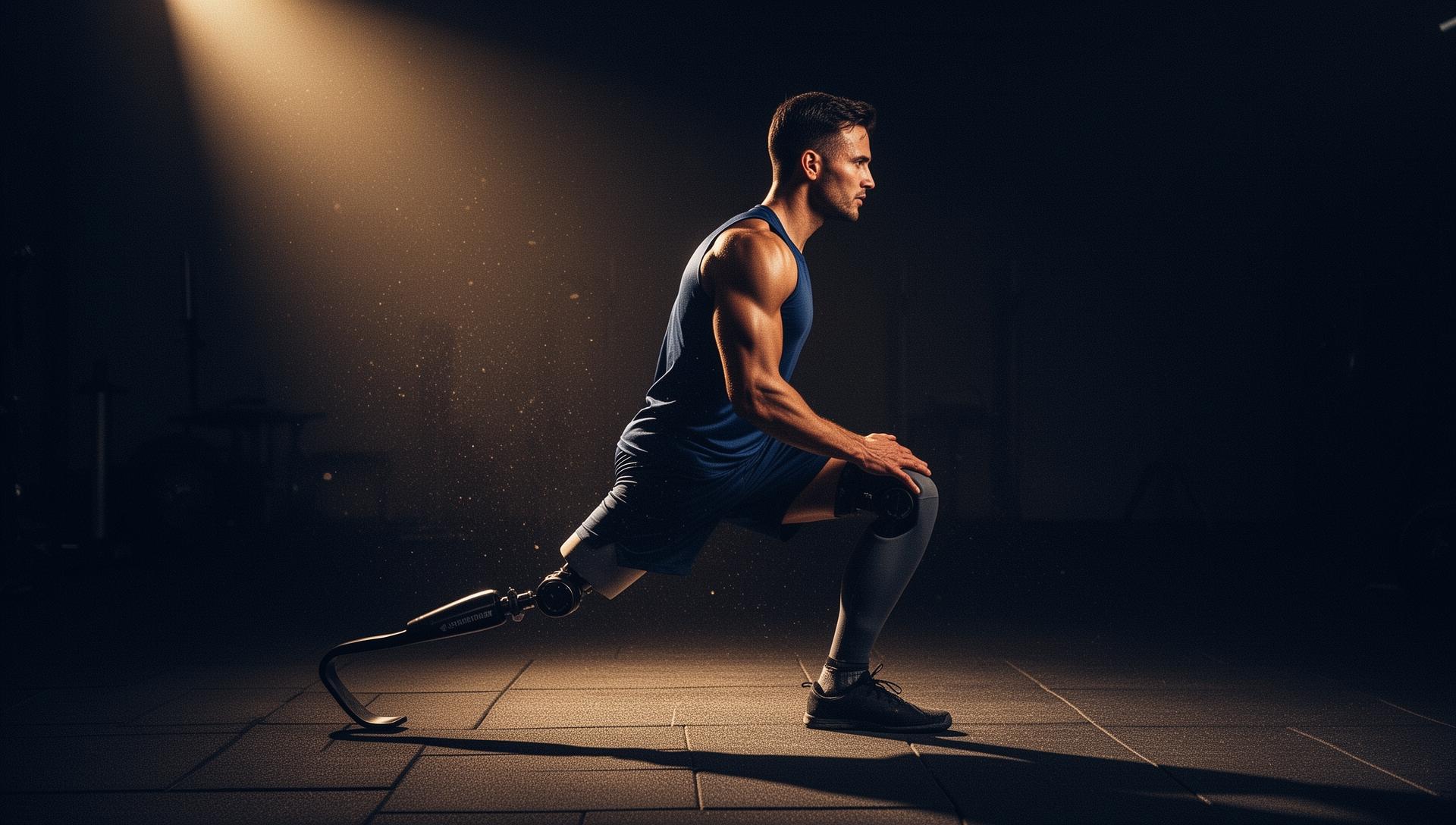
In the early days of my recovery, my relationship with my prosthesis was a war of attrition. I treated my limb like a blunt instrument—a stiff lever I had to "muscle" into place. I thought strength was synonymous with tension. I believed that if I just gritted my teeth and braced hard enough, I could force my body back into a high-performance gait.
I was wrong. All I was doing was turning my leg into a Stiff Strut — the same pattern I break down in The Torque Trap.
It wasn't until I began a practice of intentional breathwork and structural decompression that I realized my greatest energy leak wasn't a lack of muscle—it was an excess of guarding.
The Survival Instinct: The Bracing Reflex
When you lose a limb, your nervous system goes into a high-alert "protection" mode. Because you lack the biological spring of an Achilles tendon and a calf muscle to absorb impact, your brain defaults to a survival strategy: it freezes the joints.
You clench your hip and "white-knuckle" every step. This rigidity feels like stability, but it's an illusion. In physics, a stiff strut can only transfer force; it cannot dissipate it. Every ounce of ground-impact force travels past the prosthetic foot, through the socket, and is shunted directly into your knee and lower back.
Softening as a Technical Skill
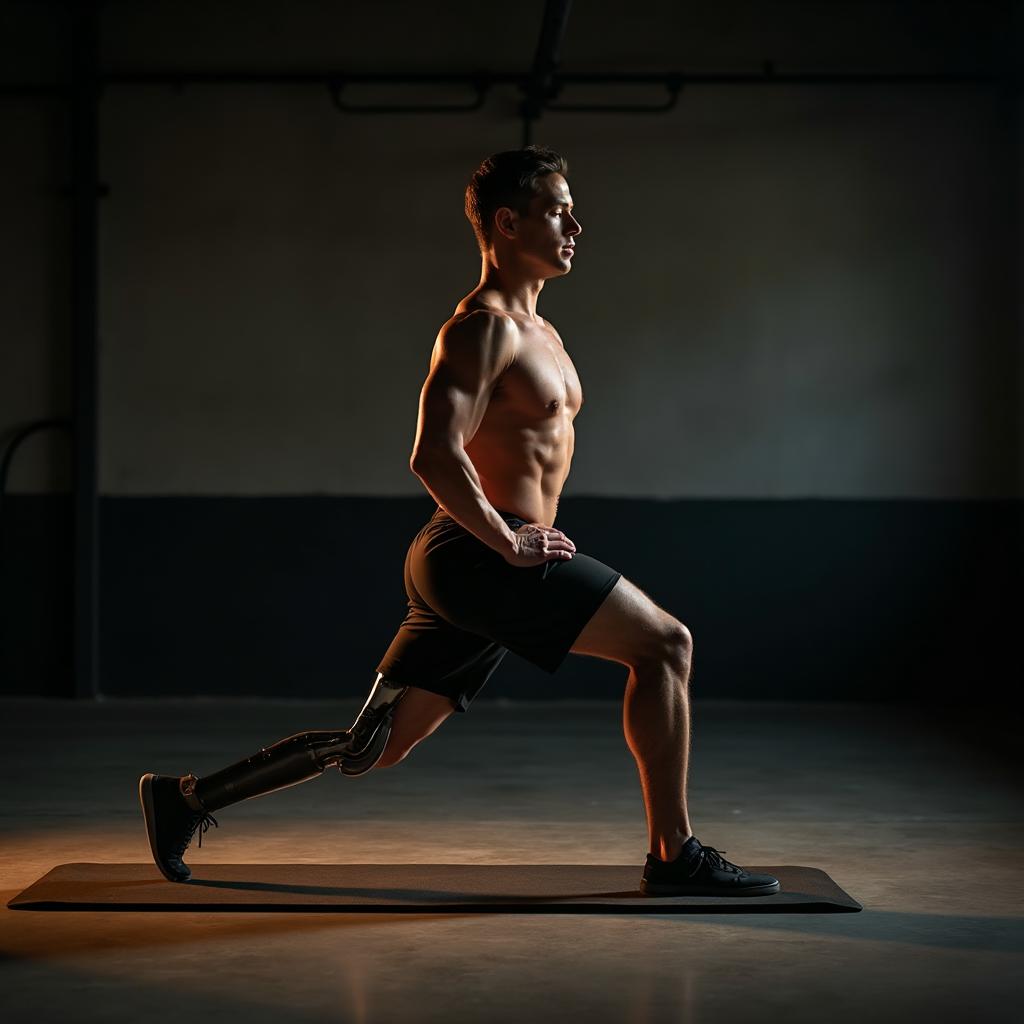
"The Softening" isn't about relaxing in a passive sense. It is a deliberate, athletic skill. It is the transition from a rigid strut to a dampened system. It's about restoring eccentric compliance—the ability of your muscles to yield and lengthen under load rather than just "clamping" against it.
1. Clearing the Proprioceptive Noise
When your stump is jammed and rigid inside the socket, you create "noise." Constant high-threshold tension effectively "blindfolds" the mechanoreceptors in your residual limb. Your brain is so overwhelmed by the pressure of the clenching muscles that it can't hear the subtle feedback from the prosthetic foot. By "quieting" the tissue, you clear the signal and increase the resolution of the data coming from the ground.
2. Restoring Fascial Glide
The connective tissue (fascia) in a residual limb is under constant, unnatural compression. Without deliberate movement, these layers "stick" together, restricting blood flow and neural pathways. Structural maintenance—whether through targeted mobility or yoga-based decompression—restores the glide between these layers. When the tissue can move, the socket stops feeling like a cage and starts feeling like an extension of the body.
3. Breathwork: The System Reset
Breathwork is the "control-alt-delete" for an amputee's nervous system. When you are in pain or frustrated with a poor socket fit, your body enters a "fight or flight" state, which increases muscle guarding and pain sensitivity. Deep, diaphragmatic breathing signals the nervous system to decompress. It lowers the "background hum" of tension, allowing the LPHC to actually engage correctly rather than just bracing for impact.
The Outcome: Reclaiming the Map
You cannot find true power in a body that is constantly clenched against its own movement. Mastering the Softening is what allowed me to transition from simply "surviving" my prosthesis to actually operating it. Whether I am navigating technical terrain in the wilderness or pushing for split-seconds on the track, the goal is the same: move with the least amount of internal friction possible.
When you learn to yield, you stop fighting the carbon fiber and start using it. You become more aerodynamic, more efficient, and—most importantly—more capable of going the distance.
The Softening Protocol
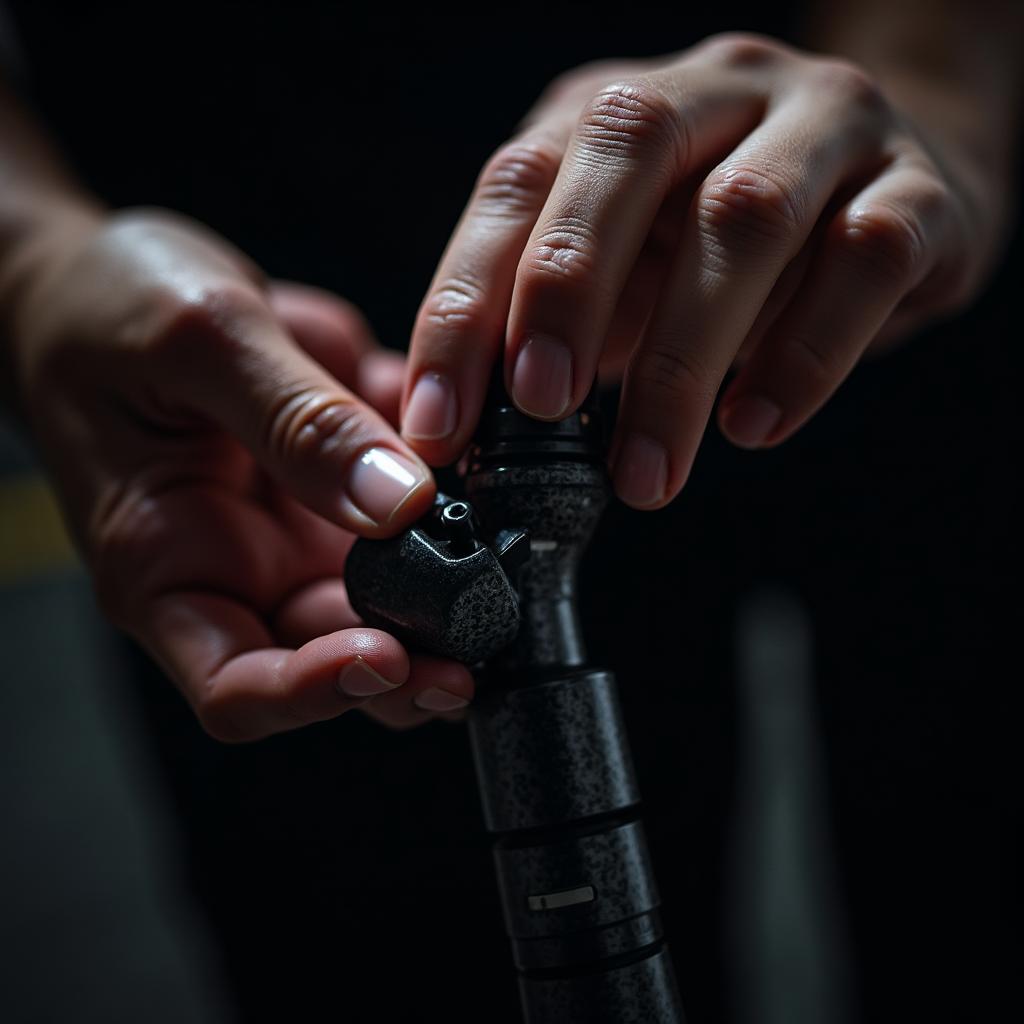
The Softening is the "secret weapon" of my coaching. We don't just lift heavy; we learn to decompress. We use specific activation sequences designed to clear the "Torque Trap" and restore the elastic quality of your movement.
If you're ready to stop "white-knuckling" your way through the day and want to find your glide, let's talk about the Amputee Strength & Performance Program.
About the Author
Sam Maddaus
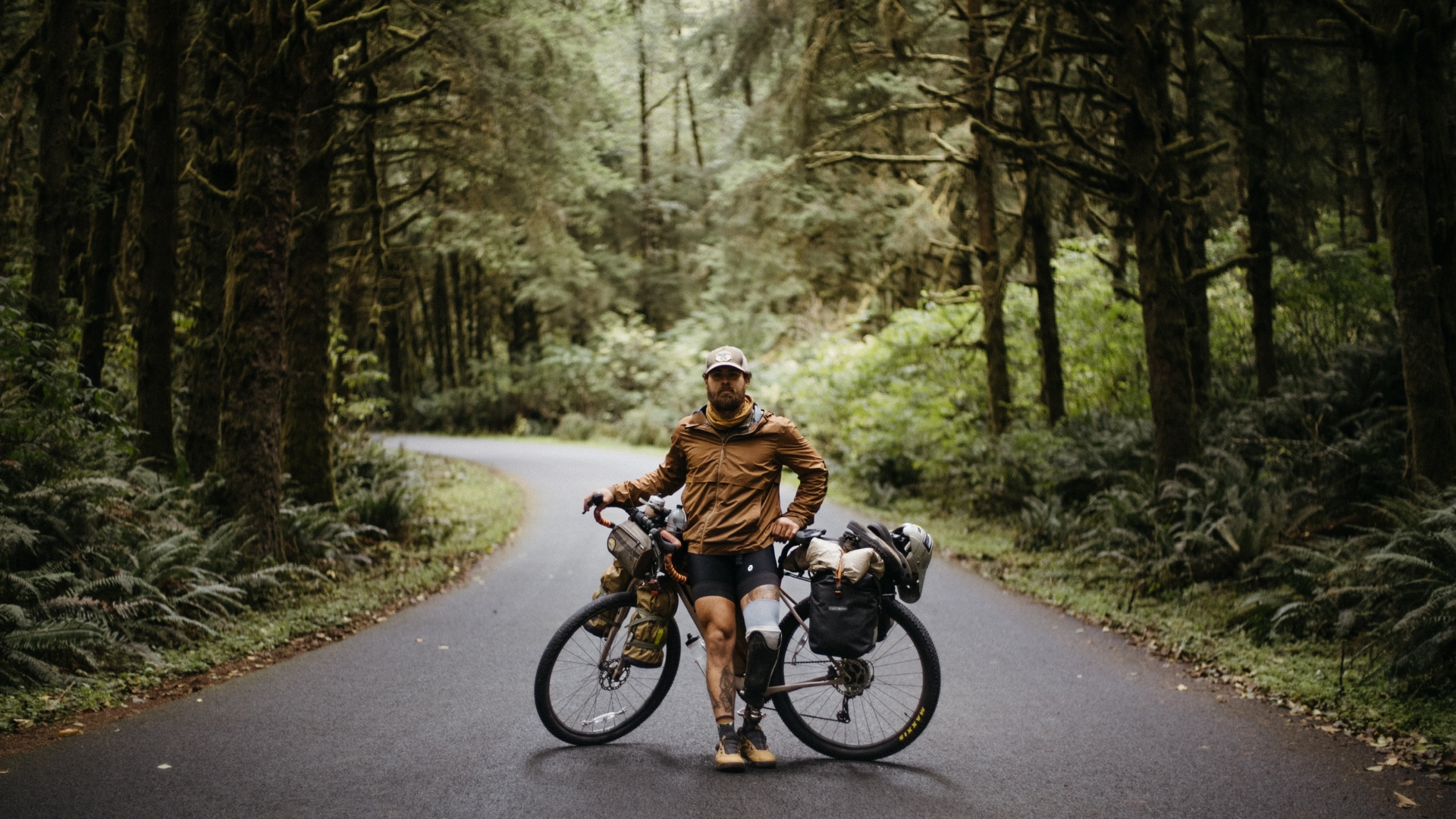
U.S. Navy veteran, below-knee amputee, Certified Strength Coach, and Wilderness First Responder. Sam has thru-hiked the 2,650-mile Pacific Crest Trail, solo bikepacked 16,000 miles from Alaska to Argentina, and provided prosthetic care in Guatemala. He coaches from lived experience—building programs rooted in structural integrity, intentional movement, and mission-ready preparation.