A World Tour during a 13,000 Foot Descent
From tundra to cloud forest, jungle to desert, desert to sea — I crossed a continent in six hours and learned that sometimes the only way to see the scale of the world is to let go of the brakes.
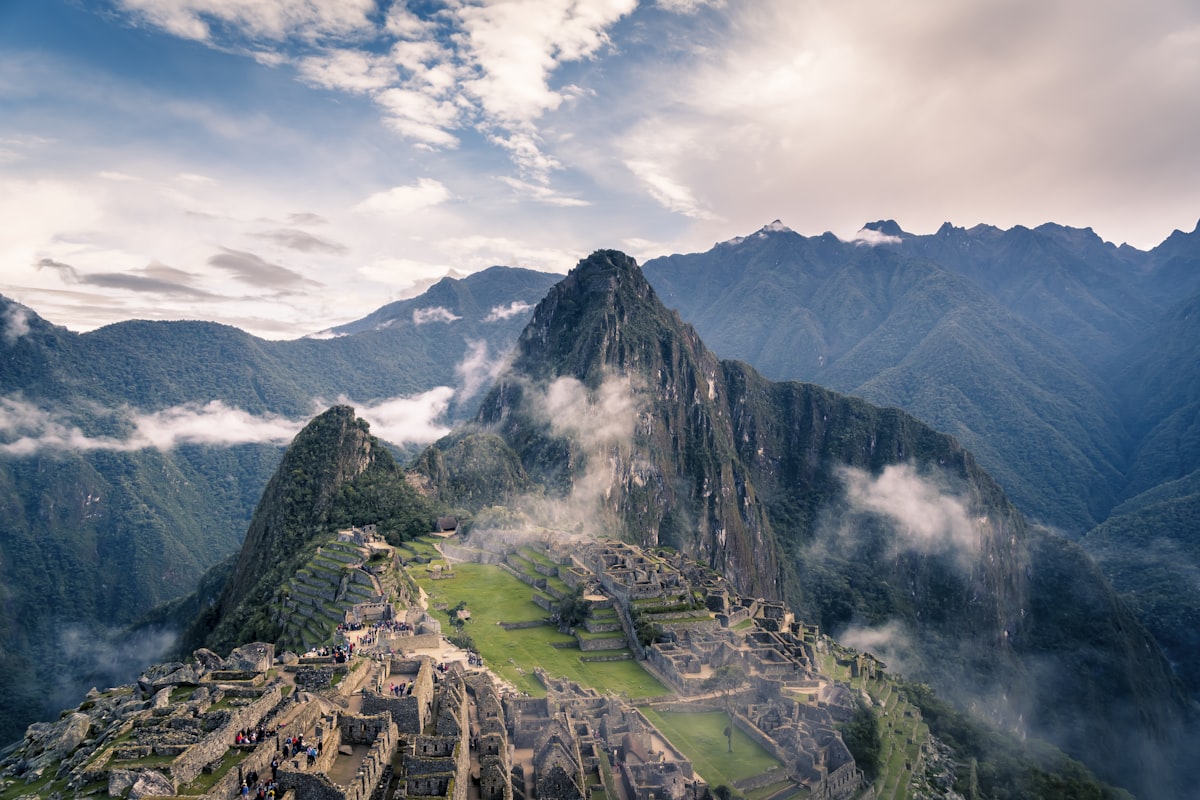
Although I'd technically crossed parts of the Andes in southern Colombia, it wasn't until Ecuador that they truly revealed their stature. Colombia's lush, vibrant hills gave way to wind-scoured altiplano, dotted with eucalyptus and sparse scrub. The land was harder. So were the faces—weathered, bronzed by years beneath a sun filtered through thinner air.
I reached a roadside town just as the light began to drain from the sky. After days of rain and wind, the cold had sunk into my bones—the kind that clings, that waits. Up here, at nearly 13,000 feet, there was no firewood, no blaze to draw it out. Just scrub and silence. But a steaming bowl of cazuela de cabeza—goat head soup, rich with squash—and a helping of elote did the trick. A private room for $8, rented by the family next door, gave me dry gear and charged lights. It wasn't luxury. But it was still. It didn't sway in the wind. That was enough.
The next morning, after a final lung-splitting climb over the summit ridge, the world opened. Clear skies. Open road. Then it began.
The bike dropped into the descent like a wave folding into itself. Its weight, usually a burden—a literal anchor I'd been dragging toward the sky for days—suddenly became my engine. The yellow dashed lines blurred beneath me into a single, humming thread. Cold wind screamed through my wool cap and helmet, a violent, cleansing sound. Tears slipped sideways from my eyes, tracing the curve of a smile I couldn't suppress. There was nothing to do but hold on.
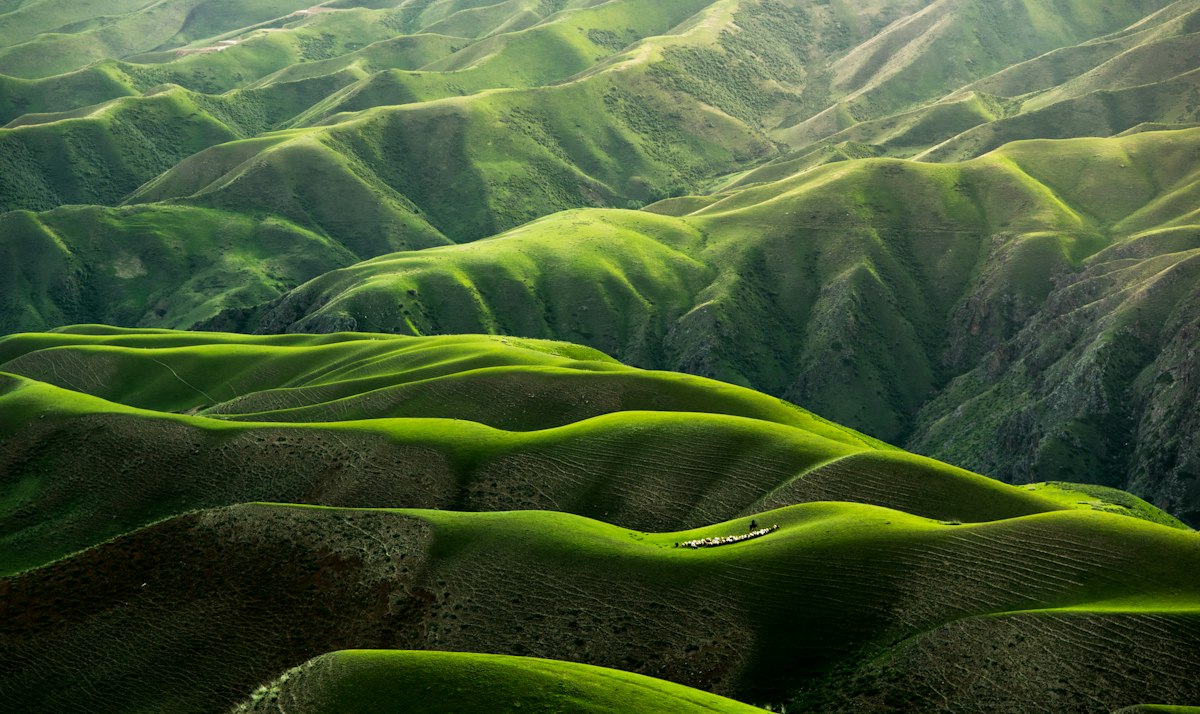
By 10 a.m., I had entered a new world—a sacred pocket of green and brown and black, smothered in clouds and life, wrapped in condensation and silence. The air here didn't just sit; it breathed. It smelled of ancient rot and new growth, a thick, sweet dampness that filled my lungs. I feathered my brakes, the metallic scent of hot rotors mixing with the mist, wary of the 80-pound load I was still riding. In fleeting pockets between clouds, I glimpsed the jungle wall beside me—thick, tangled, and impossibly alive.
For a moment, I hesitated. The urge to pull over was a physical ache. I wanted to step into that silence, to let the moss claim me for an hour, to acknowledge the sheer improbable beauty of a forest that lives in the sky. But the road was tilted too steeply, and my momentum was a living thing. I had flown past a sanctuary, a place meant for a slower version of myself. But I kept moving. Turning back meant resisting gravity, undoing a momentum that felt like destiny—and I wasn't ready to fight the current. Not yet.
So I let the descent pull me deeper, through the veil.
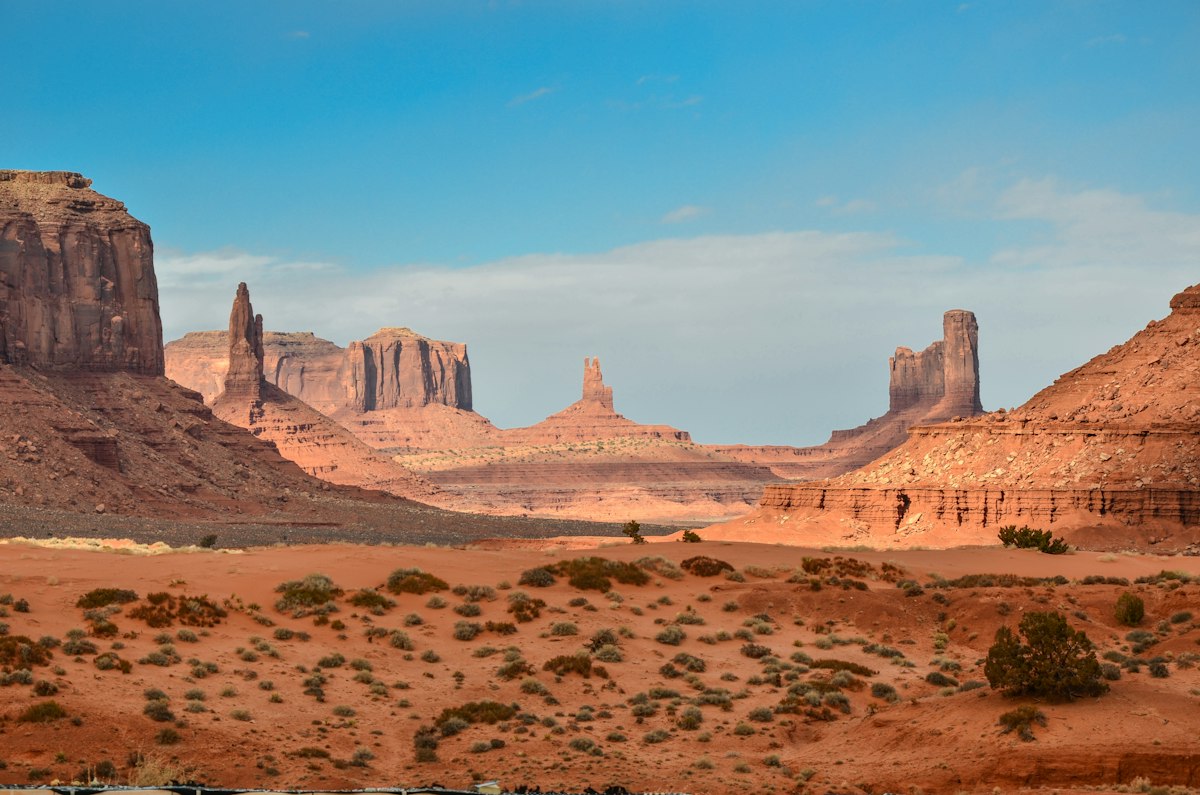
The humidity vanished as quickly as it had appeared. Red earth. Baked sand. The green still lingered, but now it clung only to shadows and the deep creases of the mountains. The sun was sharp and high, glaring off rock and hillside with a localized ferocity. I passed through a curtain of heat—thicker, more aggressive, almost violent in its suddenness. Turkey vultures spiraled overhead, their shadows flickering across the hot pavement. Falcons carved arcs in the sky, watching something wild and weightless tear through their world.
I wasn't pedaling anymore. I was falling.
I was a ghost passing through a dozen different lives in a single morning. I saw the mountain people in their wools disappear, replaced by farmers in wide-brimmed hats, then by children in thin shirts running toward the sound of my tires. I was moving too fast to be a person; I was just a witness.
Then the flatlands: banana groves, cocoa trees, the heavy, fermented smell of fruit ripening in the sun. And finally—there it was—the Pacific. A glint. A line. A destination that, somehow, felt both distant and already behind me.
I'd crossed a continent in six hours. From tundra to cloud forest, jungle to desert, desert to sea. A whole planet unfolding beneath my tires. By the time I reached the Pacific, the road had flattened and the air had turned thick with salt and heat. But the rhythm of the descent remained. It wasn't about the specific pockets of forest or rock I'd flown past; it was about the rare, terrifying clarity of being completely caught in the earth's current.
Sometimes, the only way to see the scale of the world is to let go of the brakes and let the momentum show you where you belong. That's the orientation we train for inside the [Misogi Program](/programs/misogi).
About the Author
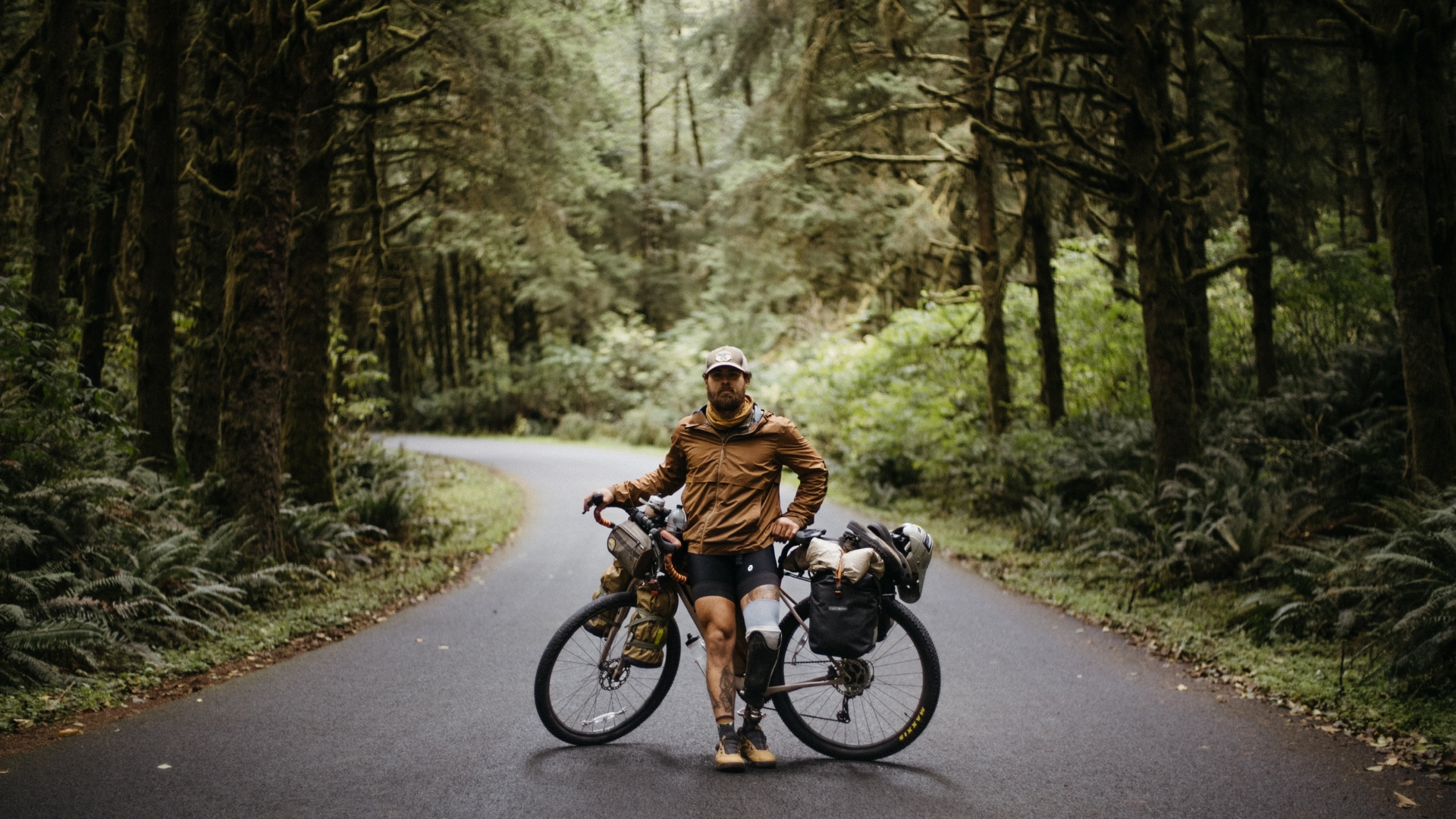
Sam Maddaus
U.S. Navy veteran, below-knee amputee, Certified Strength Coach, and Wilderness First Responder. Sam has thru-hiked the 2,650-mile Pacific Crest Trail, solo bikepacked 16,000 miles from Alaska to Argentina, and provided prosthetic care in Guatemala. He coaches from lived experience—building programs rooted in structural integrity, intentional movement, and mission-ready preparation.